
It Started With 17 Black Women
There’s a house at 110 Orange Road with more than one story to tell.
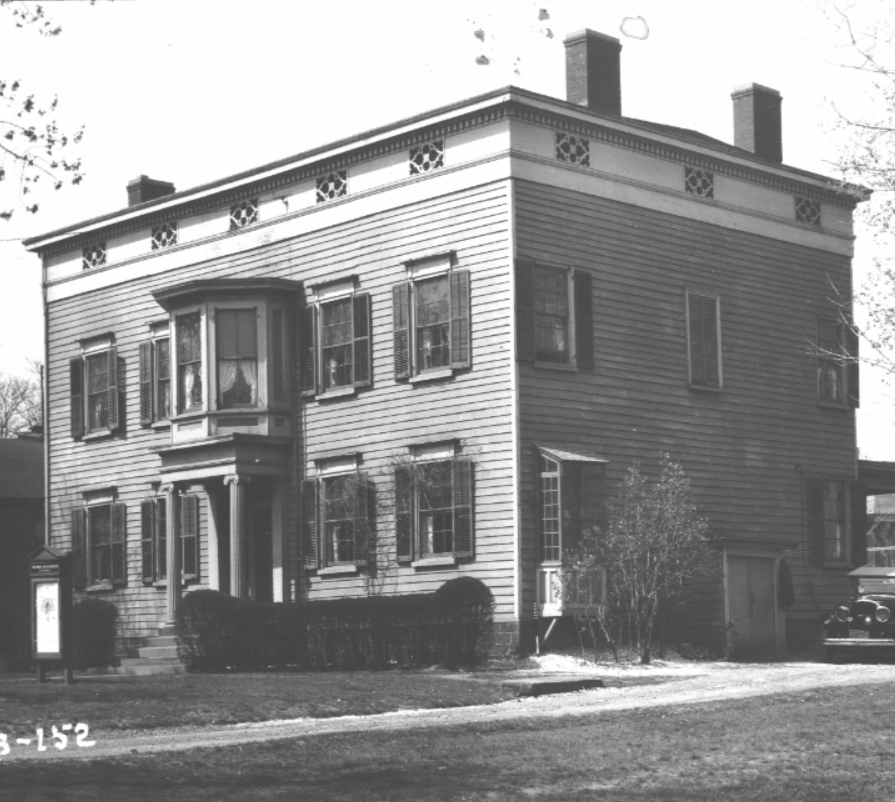
Today, we know it as the Crane House and Historic YWCA Museum, home to the Montclair History Center. But for 45 years, when the house stood at 159 Glenridge Avenue, its rooms were part of a very different chapter of Montclair life.
Young women lived upstairs. Classes and clubs met downstairs. There were dances, sports, camps and glee clubs. Black students found a place to live when they weren't permitted to live in college dormitories. And young women gathered to hear some of the leading voices of the Harlem Renaissance.
But that part of the story comes later.
This one starts in 1912, with 17 Black women and an idea.
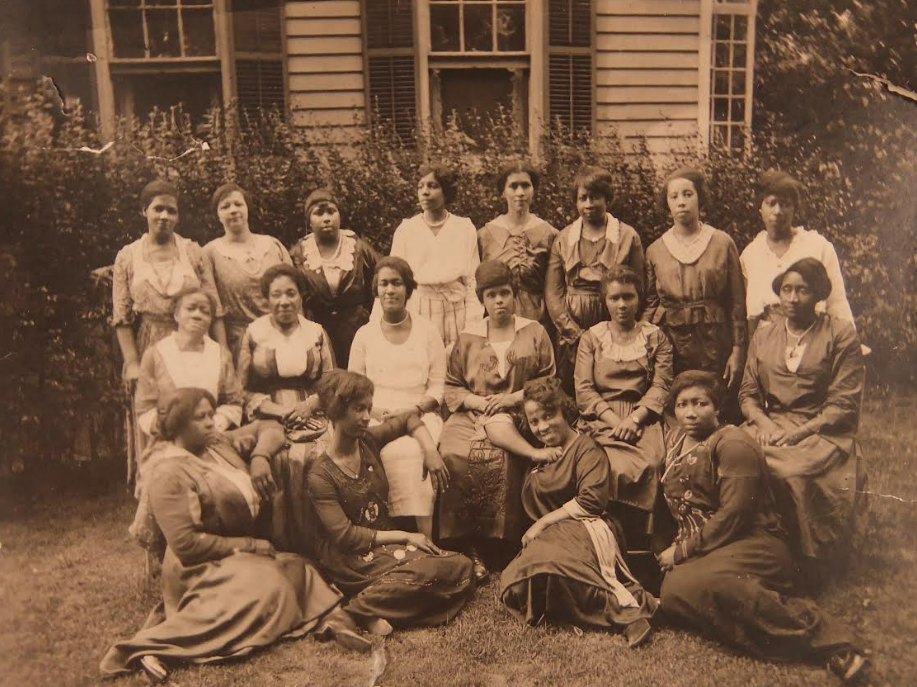
Photo Courtesy of Montclair History Center
Creating the Place They Needed
The 17 women represented Black churches throughout Montclair and gathered at the home of Alice Hooe Foster, the first African American to graduate from Montclair High School.
They saw a need for a place specifically serving Montclair's Black women and girls—a place for education, recreation, leadership development and housing. So they created the Montclair Young Women's Christian Association (YWCA).
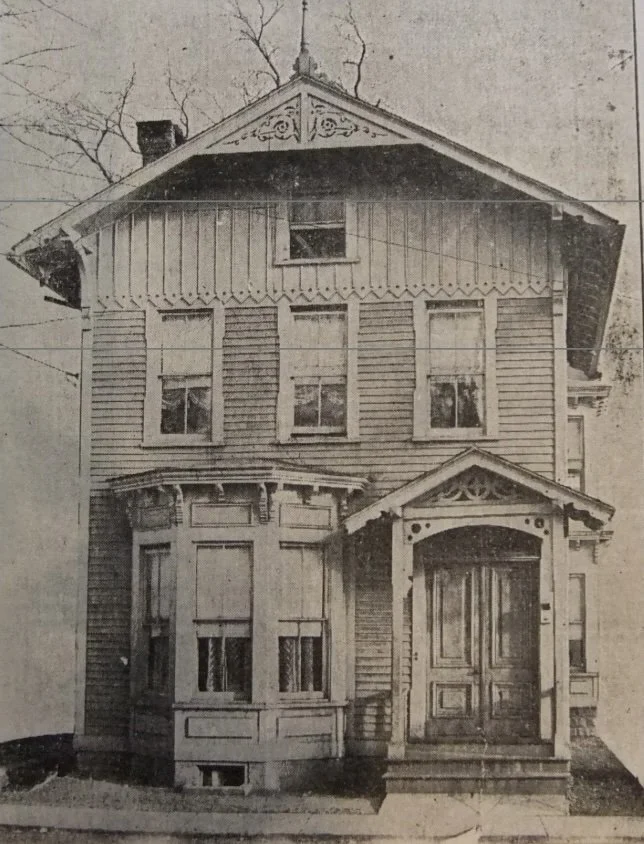
Its first home was on Forest Street, but the organization grew quickly. By 1920, it had 600 members and needed more room. Funds were raised to purchase the historic Crane House at 159 Glenridge Avenue, and for the next 45 years, that house would become much more than a headquarters.
It became a hub of Black life in Montclair.
A Place to Live. And a Place to Become.
By the late 1800s, Montclair's growth as a railroad suburb had attracted Black men and women, many migrating from northern Virginia. By 1930, Montclair had the largest Black middle class in New Jersey. But opportunity and equality weren't the same thing.
Racial discrimination remained part of life in Montclair. YWCA and YMCA facilities were segregated, and in 1921, Montclair's YWCA was one of five segregated Ys in New Jersey. The YWCA on Glenridge Avenue offered something its members couldn't necessarily find elsewhere. For some, quite literally, it offered a home.
Black women came to Montclair to work and to study at the State Teachers College, now Montclair State University. Until 1946, Black students were not permitted to live in the college dormitories. Up to 15 young Black women lived on the second and third floors of the Crane House. Classes and clubs met downstairs. There were dances, sports, camps and glee clubs. Black students found a place to live when they weren't permitted to live in college dormitories. And young women gathered to hear some of the leading voices of the Harlem Renaissance.
Members could participate in everything from sports, camps and glee club to typing, health, English, home nursing and child-study classes. By 1935, membership had reached 1,050.
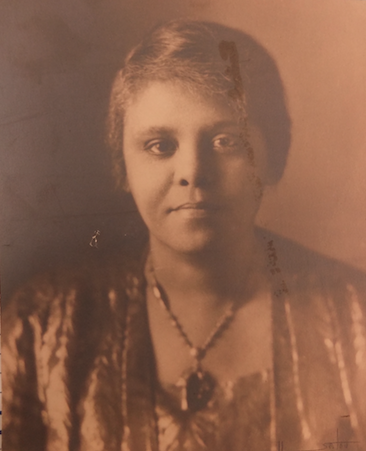
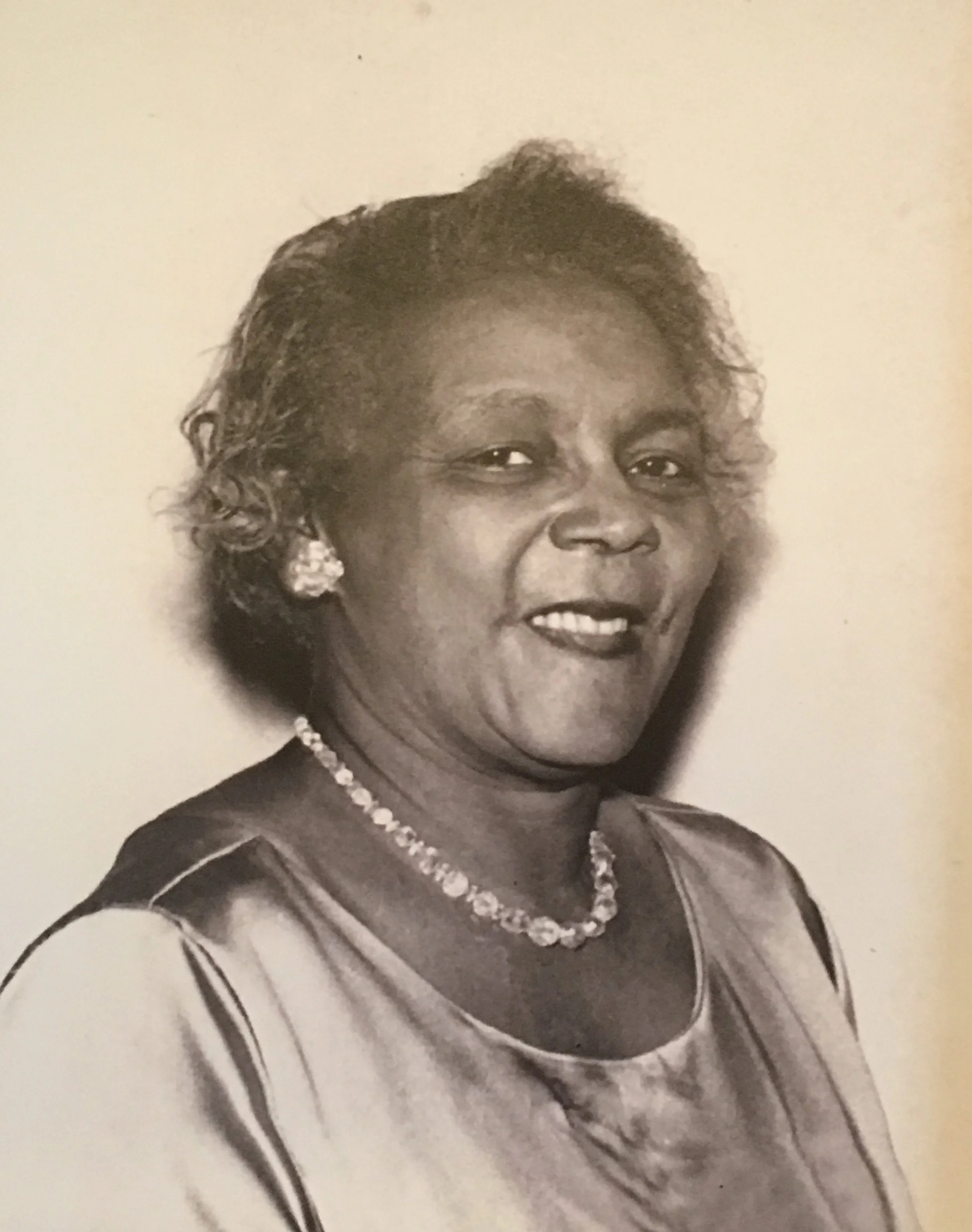
Imagine Who Walked Through the Door
The YWCA’s programming reached beyond practical education. Under leaders such as Hortense Ridley Tate, there was an emphasis on Black history, culture and the ideas emerging from the Harlem Renaissance. Influential voices of the period, including writers Langston Hughes and Countee Cullen, were part of the broader cultural conversation the YWCA brought to its young women.
It was a place designed not simply to offer programs, but to broaden horizons—to encourage young Black women to take pride in their history, pursue an education and imagine what might come next.
The YWCA also provided something less celebrated in history books, but perhaps just as important: the chance to simply be young. In the 1940s, Black students were excluded from some extracurricular activities at Montclair High School, including prom. The YWCA became a place where those social experiences could happen instead.
Learning. Dancing. Living. Listening. Meeting friends.
A lot of life happened inside that house.
The House Moved and Landed at 110 Orange Road
In 1965, the YWCA began a capital campaign for a new building on Glenridge Avenue and donated the Crane House to the newly formed Montclair Historical Society—today's Montclair History Center.
There was just one issue. The Historical Society had the house. It didn't have the land beneath it. The historic building was relocated from Glenridge Avenue to 110 Orange Road, where it eventually became the museum we know today.
The YWCA continued serving Montclair for decades. When the organization eventually closed, community leaders helped establish the Montclair Fund for Women, continuing its legacy of supporting Black women and girls.
And Now, Another Marker in Its Story
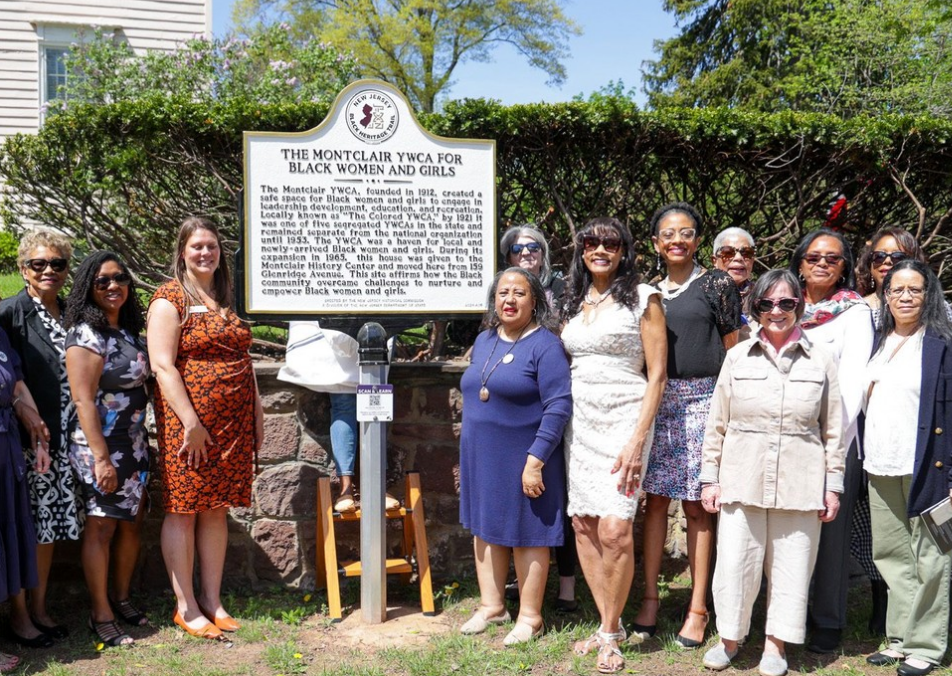
In April, a New Jersey Black Heritage Trail marker honoring the Montclair YWCA for Black Women and Girls was unveiled at the Crane House and Historic YWCA Museum.
The New Jersey Black Heritage Trail was established by a bipartisan bill signed into law in 2022 to increase awareness and appreciation of Black history throughout the state.
Montclair is now home to three sites on the trail: the Montclair YWCA, James Howe House and St. Mark's United Methodist Church.
Which brings us back to that house at 110 Orange Road.
More than a century after 17 Black women saw something their community needed and decided to create it themselves, you can stand beside the house where so much of their work took place.
Take a Closer Look
Visit the Crane House and Historic YWCA Museum at 110 Orange Road to see the New Jersey Black Heritage Trail marker and learn more about the women of the Montclair YWCA.
The Montclair History Center also offers an interactive museum experience and the documentary A Place to Become: Montclair through the Eyes of the Glenridge Avenue YWCA Women (1920–1965).

Story and images generously shared by our Cultural Partner, Montclair History Center, helping us take a closer look at the people, places and stories that shaped Montclair.