The History of Upper Montclair's Valley Road Firehouse
The Firehouse with a Turret: A Closer Look at an Upper Montclair Landmark
An unusual architectural landmark, a Montclair architect, and a little piece of the neighborhood's past hiding in plain sight.
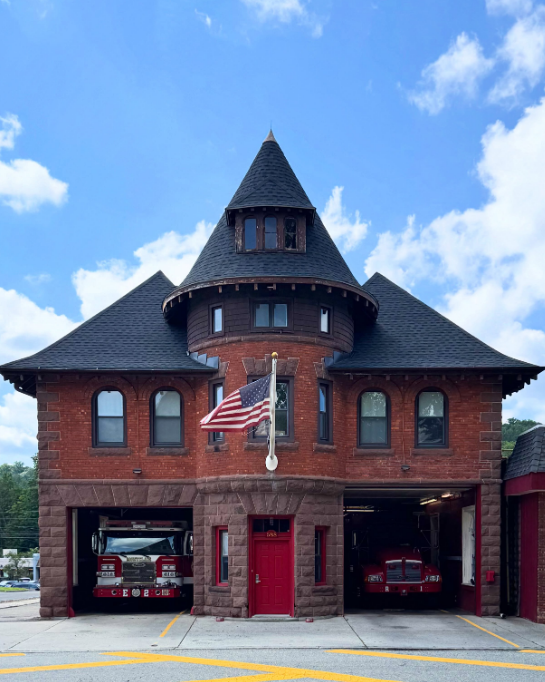
There’s a building on Valley Road that looks as though it belongs in a storybook.
With its distinctive turret, brownstone walls, and steep roofline, the Upper Montclair Fire Station is hardly your typical firehouse. And yet, for more than 120 years, it has been part of the everyday landscape of Upper Montclair.
But who designed it? Why does it look so different from the fire stations we're accustomed to seeing? And why was it originally called Cliffside Hose Company No. 4?
Take a closer look.
Cliffside Hose #4
Who knew we were once called Cliffside?
A Firehouse with a Little More Personality
Built between 1901 and 1902, the firehouse at 588 Valley Road was designed in the Queen Anne architectural style, a style better known for elaborate Victorian homes than buildings housing firefighting equipment.
And this particular firehouse has plenty of personality.
The turret, topped with a conical roof, is its most recognizable feature. Look a little closer and you'll notice the contrasting brownstone and brick, decorative stonework around the windows, and architectural details that make the building feel more like a grand Victorian residence than a municipal fire station. It was designed to serve a practical purpose, of course. But its architect clearly had something more interesting in mind than a simple garage for fire equipment.
Meet the Architect: Effingham R. North
The man behind the design was Effingham R. North, a local architect whose work helped shape Montclair's architectural landscape around the turn of the 20th century. He lived at 114 Park Street, and his architectural work extended well beyond the Valley Road firehouse.
Among the other Montclair properties associated with North are 77 Park Street, 100 Upper Mountain Avenue, 90 Union Street, and 153 Union Street. His residential designs also included homes on Plymouth Street and Alexander Avenue.
One particularly interesting example is 77 Park Street, originally built as the residence of Shepard Rowland and later known as the Codey Funeral Home.
North wasn't simply designing buildings in Montclair. He was living in the community whose architectural character he helped create.
Wait. Upper Montclair Was Once Called Cliffside?
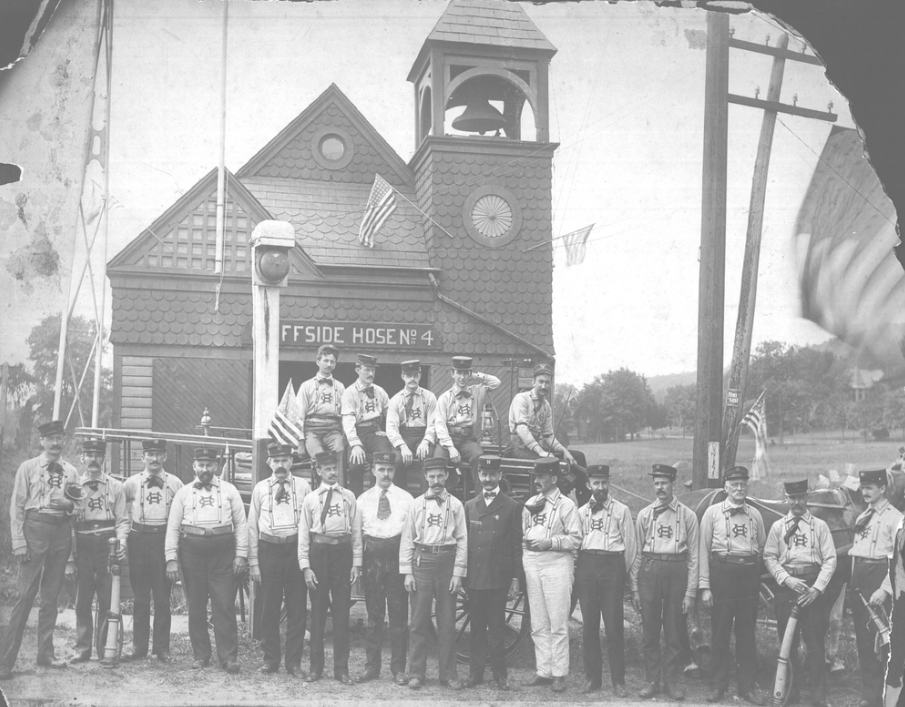
The building's original name, Cliffside Hose Company No. 4, offers a small clue to an earlier chapter of Upper Montclair's history.
Before moving into its Valley Road home in 1902, the company operated from Bellevue Avenue near the railroad crossing.
The name Cliffside was associated with this northern section of Montclair, long before Upper Montclair became the familiar neighborhood identity we know today. It's an intriguing reminder that neighborhoods evolve, and sometimes the names of old institutions preserve pieces of local history that have otherwise faded from everyday conversation.
And Cliffside? That's a story worth exploring on its own.
From Horse-Drawn Equipment to Modern Fire Engines
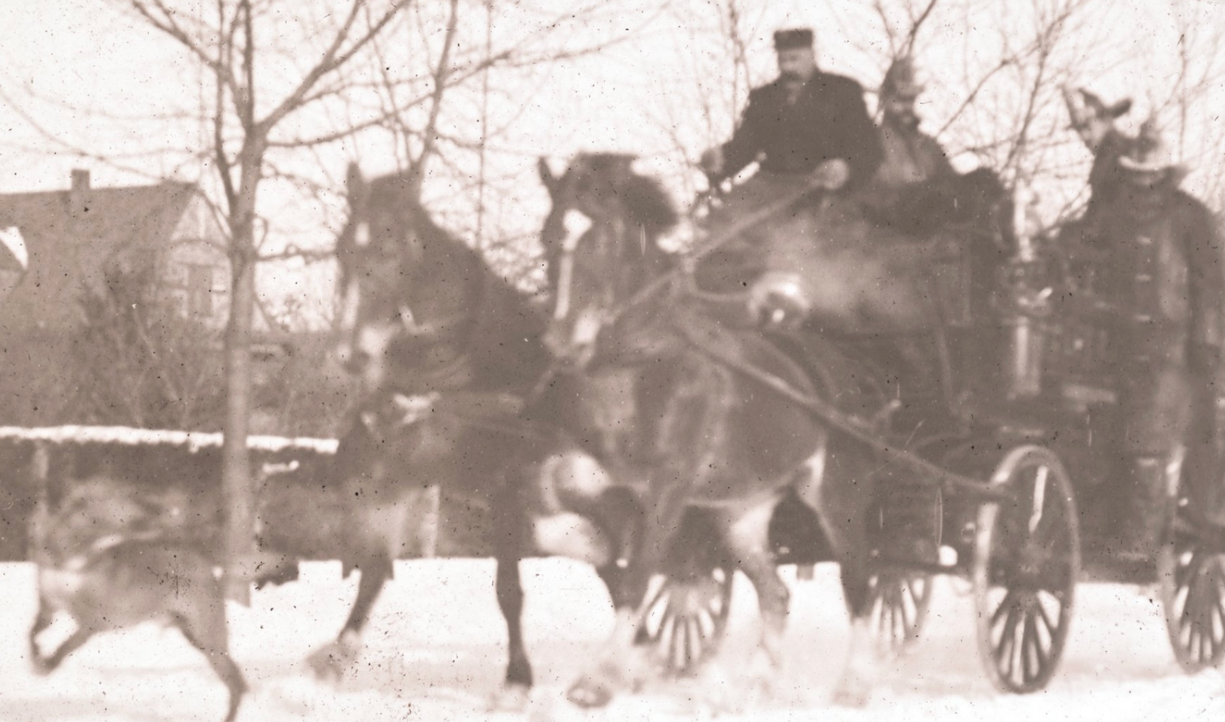
Photo courtesy of Montclair History Center
When the firehouse first opened, firefighting looked considerably different from what we see today. Horse-drawn equipment was part of Montclair's early firefighting operations. Historic photographs show firefighters gathered outside the Valley Road station with their horses and apparatus, offering a fascinating glimpse into the building's earliest years. Over time, firefighting technology changed, equipment grew larger, and the demands placed on the station evolved.
The building adapted, too.
More than a century after its construction, the firehouse continues to serve Montclair as Fire Station No. 2. And in 1988, its architectural and historical significance earned it a place on the National Register of Historic Places.
Next Time You're on Valley Road...
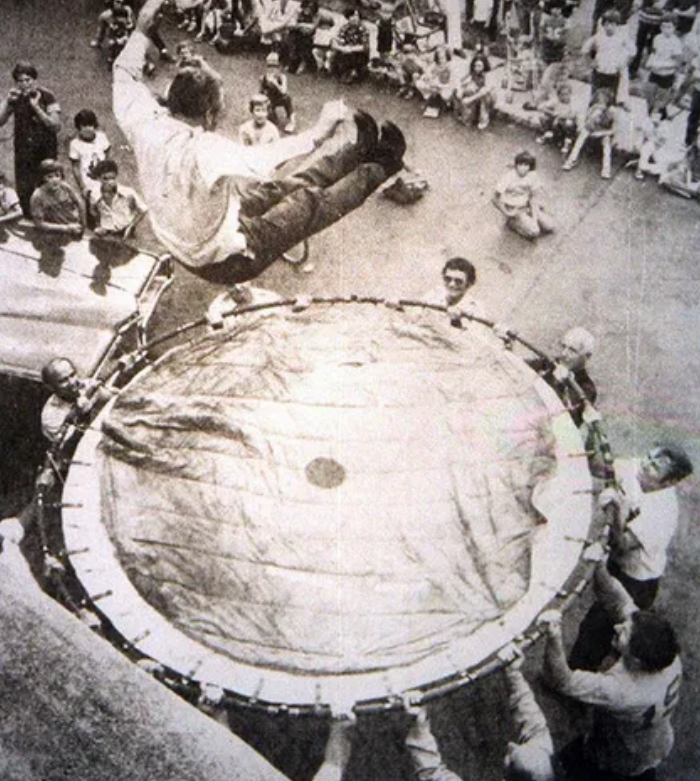
You can get quite a view when you look up!
Notice the turret, the stonework, and the details that make this building so different from the modern fire stations we're accustomed to seeing. It's easy to pass a familiar building hundreds of times without ever wondering who designed it, why it looks the way it does, or what stories it might hold.
Sometimes the most interesting discoveries are the places we've been looking at all along.
That's why we say: Take a Closer Look, Montclair.
Our love of local history and our connection to the Montclair History Center inspired the story on the Upper Montclair Fire Station on Valley Road. Expore more and read MHC HISTORY OF THE MONTCLAIR FIRE DEPARTMENT